


Navigating the Grocery Store: Your Low Carb Guide
Overview
This article serves as a comprehensive guide for navigating the grocery store while adhering to a ketogenic diet. Readers will learn how to identify essential low carb foods, effectively read nutrition labels, and develop strategies for successful shopping, all aimed at making informed dietary choices. By the end, you'll feel more confident in your ability to shop smartly and maintain your low carb lifestyle.
Table of Contents
- Understanding the Low Carb Diet
- Essential Low Carb Foods
- Where to Find Low Carb Foods in the Grocery Store
- Fruits and Vegetables Aisle
- Meat and Dairy Section
- Snacks Aisle
- Reading Nutrition Labels
- Planning Ahead for Success
- Create a Shopping List
- Meal Prepping
- Tips for Overcoming Challenges
- Stay Educated
- Shop with a Friend
- The Power of Bulk Buying
- Cost-Efficiency
- Stocking Up
- Embracing Lifestyle Change
- Mindful Eating
- Stay Motivated
- The Final Say: Embrace the Process
Key Takeaways
- Understand the ketogenic diet: Focus on minimising carbohydrate intake while increasing healthy fats and moderate protein consumption.
- Essential low carb foods: Prioritise fresh produce, high-quality proteins, healthy fats, full-fat dairy, and low carb alternatives.
- Know your grocery layout: Familiarise yourself with where to find low carb foods, particularly in the fruits and vegetables, meat and dairy, and snacks aisles.
- Read nutrition labels: Focus on net carbs, look for simple ingredients, and pay attention to serving sizes to avoid excess carbohydrates.
- Plan ahead: Create a shopping list and meal prep to stay on track with your low carb goals and avoid impulsive purchases.
- Stay educated: Keep informed about new products and trends that support your ketogenic lifestyle through blogs, videos, and forums.
- Consider bulk buying: Save money and ensure you have essential ingredients on hand by purchasing items in larger quantities.
Shopping for groceries can be a daunting task, especially when you’re trying to stick to a ketogenic diet. With so many options available, it’s essential to know where to focus your attention in the grocery store. This guide will help you easily navigate the low carb section, ensuring you make smarter choices while shopping. Whether you’re a seasoned keto pro or a beginner on the journey, this guide will simplify your low carb grocery shopping experience.
Understanding the Low Carb Diet
Before diving into the grocery store aisles, it’s important to understand what a low carb diet entails. The ketogenic diet primarily focuses on minimising carbohydrate intake while encouraging high fat and moderate protein consumption. This shift in macronutrient ratios helps the body enter a state of ketosis, where it burns fat for fuel rather than glucose. A successful low carb diet relies on making informed choices about the foods you purchase, hence, knowing what to look for is crucial.
Essential Low Carb Foods
As you navigate your shopping, keeping a list of essential low carb foods can simplify your process. Here’s a breakdown of the categories you should focus on:
- Fresh Produce: Vegetables should be your primary focus, especially those that are low in carbohydrates. Think leafy greens, broccoli, cauliflower, and zucchini.
- Proteins: Prioritise high-quality protein sources such as grass-fed meats, wild-caught fish, and free-range poultry.
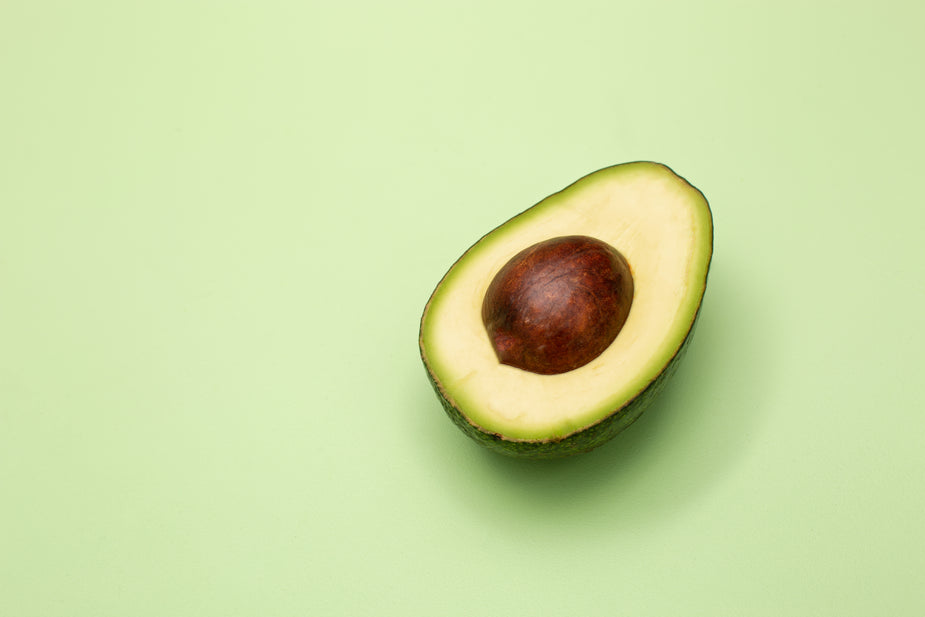
- Healthy Fats: Avocados, nuts, seeds, and oils are staple commodities that fit perfectly into a ketogenic diet.
- Dairy Products: Opt for full-fat dairy options like cheese, butter, and Greek yoghurt. Be cautious of added sugars.
- Low Carb Alternatives: Seek out substitutes for your favourite high-carb staples such as almond flour instead of regular flour, or zucchini noodles for pasta.
Where to Find Low Carb Foods in the Grocery Store
Now that you've identified your essential low carb foods, let’s discuss where you’ll likely find them in the grocery store. Knowing the layout can save you time and unnecessary frustration.
Fruits and Vegetables Aisle
This is a critical section for anyone following a ketogenic diet. While fruits can often be high in sugar, many vegetables make excellent low carb choices. Always aim for non-starchy vegetables and remember that leafy greens are your best friends. Don’t be afraid to ask store staff for assistance in locating organic or speciality items that fit your dietary needs.
Meat and Dairy Section
The fresh meat and dairy sections within a grocery store are treasure troves when it comes to low carb grocery shopping. Here, you’ll find a variety of meats, eggs, and dairy alternatives that can help you create satisfying meals throughout the week. Be mindful of labels and choose products that are free from fillers or added sugars, as these can quickly increase carb counts.
Snacks Aisle
This aisle might seem daunting, but it offers ample opportunities for low carb alternatives. Look for nut-based snacks, jerky, or cheese crisps. These provide the crunch and satisfaction you're looking for without compromising your dietary goals. Be cautious, however; indulge in moderation and always check that products are genuinely low in carbohydrates.
Reading Nutrition Labels
Great awareness of nutrition labels can transform your shopping experience. Not all products marketed as low carb are truly beneficial. Here are a few tips for decoding nutrition labels:
- Net Carbs: Focus on net carbs (total carbs minus fibre). This gives you a clearer picture of how much carbohydrate your body will actually absorb.
- Ingredients List: Look for simple ingredients. Avoid products with long lists of additives or artificial ingredients.
- Serving Size: Keep an eye on serving sizes to ensure you’re not consuming more carbs than intended.
Planning Ahead for Success
When embarking on your low carb grocery shopping journey, planning is key. Consider the following strategies to enhance your shopping success:
Create a Shopping List
A well-structured shopping list is a fantastic tool to keep you focused. While it’s tempting to wander the aisles, having a list directs your attention to only the most crucial items, limiting the chance of impulsive purchases.
Meal Prepping
Spend some time each week planning your meals. This not only helps you stay within your low carb limits but also prepares you for busy days. Knowing what you’ll eat each day can help you avoid higher-carbohydrate options when hunger strikes.
Tips for Overcoming Challenges
Even with careful planning, challenges can arise during your grocery trips. Here are a few ways to combat potential hurdles:
Stay Educated
The world of health and nutrition is ever-evolving. Stay informed about new products and trends that could potentially support your ketogenic diet. Follow reputable blogs, watch videos, or join forums where you can gain insights and motivation.
Shop with a Friend
Having a buddy with similar dietary goals can provide accountability. Not only can shopping together make the grocery trip more enjoyable, but it also allows you to share knowledge and support one another on your journeys.
The Power of Bulk Buying
Buying in bulk can be beneficial for those following a low carb lifestyle. Here’s why you should consider it:
Cost-Efficiency
Purchasing items in larger quantities can save you money in the long run, especially when it comes to pricier proteins and healthy fats. Always compare prices to ensure you’re getting the best deal.
Stocking Up
Having a well-stocked pantry ensures you have the necessary ingredients at your disposal without needing to run to the store frequently. This can help you adhere to your ketogenic diet more effectively.
Embracing Lifestyle Change
Adopting a low carb lifestyle extends beyond grocery shopping. It’s about making informed choices every day. Here are several key points to consider:
Mindful Eating
Incorporating mindfulness into your eating habits can be transformative. Pay attention to hunger cues, savour your food, and take the time to enjoy meals. This can improve your overall relationship with food while safeguarding your commitment to a low carb lifestyle.
Stay Motivated
Remember that your journey is uniquely yours. Celebrate small victories, and don’t be too hard on yourself during setbacks. Keep your goals at the forefront of your mind, and surround yourself with supportive communities that share your passion.
The Final Say: Embrace the Process
As you embark on your low carb grocery shopping expeditions, remember: this is more than just a diet; it’s a lifestyle change. Embrace the process, enjoy the discoveries you make along the way, and celebrate the progress you achieve. Keep your goals in mind, and allow this adventure to enhance your wellbeing and vitality. With the right guidance and tools, you’re bound to thrive on your ketogenic diet.
Frequently Asked Questions
1. What is a ketogenic diet?
2. What should I focus on when shopping for low carb foods?
3. Where can I find low carb foods in the grocery store?
4. How can I read nutrition labels effectively?
5. What strategies can enhance my low carb grocery shopping success?
Glossary
| Term | Meaning |
|---|---|
| Keto | A low carbohydrate, high-fat diet aimed at promoting fat burning. |
| Ketosis | A metabolic state where the body burns fat for fuel instead of carbohydrates. |
| Net Carbs | Total carbohydrates minus fibre, indicating absorbable carbs. |
| Fresh Produce | Unprocessed fruits and vegetables, key for a low carb diet. |
| Healthy Fats | Sources of fat that support health, such as avocados and nuts. |
| Dairy Products | Full-fat options like cheese and butter suitable for keto. |
| Meal Prepping | Planning and preparing meals in advance to stay on track. |
| Mindful Eating | Being aware of hunger cues and enjoying food to improve relationship with eating. |
| Bulk Buying | Purchasing larger quantities to save money and ensure a well-stocked pantry. |
Linked Product

The Ketogenic & Hypotoxic Diet
"The Ketogenic & Hypotoxic Diet" serves as a comprehensive guide for those looking to adopt a low-carb lifestyle while focusing on healthy eating. It outlines the benefits of a hypotoxic approach, emphasizing gluten- and dairy-free options, as well as moderate organic animal protein consumption. This resource includes key foods, creative recipes, meal plan ideas, and tailored programs to support various health goals, making it a valuable tool for improving overall well-being.
View ProductShare this
Popular posts