


Shopping Smart: Your Guide to Fresh Produce on Low Carb
Overview
Embarking on a low carb diet involves smart grocery shopping for fresh produce. Focus on non-starchy vegetables like leafy greens and cruciferous options, as well as low-sugar fruits such as avocados and berries. Plan your shopping with a list, prioritise local and seasonal items, and consider organic options. Proper storage and meal ideas like salads and stir-fries can enhance your low carb journey while ensuring you enjoy nutritious and delicious meals.
Frequently Asked Questions
1. What is the focus of a low carb diet?
2. Why is fresh produce important in a low carb diet?
3. What are some low carb vegetables to include in my grocery list?
4. Which fruits are suitable for a low carb diet?
5. How can I effectively store fresh produce?
Embarking on a low carb diet can feel overwhelming at first, especially when it comes to nailing down your grocery list. One of the essentials for this journey is shopping for fresh produce. By focusing on the right fruits and vegetables, you can stay on track with your diet while enjoying delicious meals. In this guide, we'll delve into the essentials of shopping for fresh produce on a low carb diet, highlighting how to fill your cart wisely and what to look for. So, let's get started!
Understanding the Low Carb Diet
The low carb diet primarily focuses on reducing carbohydrate intake, favouring proteins and healthy fats instead. This dietary approach can help manage weight, control blood sugar levels, and even enhance mental clarity. However, limiting carbs requires a keen eye when it comes to food selection, including fresh produce.
The Role of Fresh Produce in a Low Carb Diet
Fresh produce is a critical aspect of any diet, including low carb. Fruits and vegetables provide essential vitamins and minerals while being packed with fibre, which can aid digestion and help maintain satiety. Below are some key benefits of incorporating fresh produce into your low carb diet:
- Nutrient-Dense: Fresh fruits and vegetables are crucial for getting the nutrients your body needs without the heavy carb load.
- Low in Calories: Many fresh produce items are low in calories, making them excellent choices for weight management.
- High in Fibre: Rich in fibre, fresh produce helps to regulate digestion and keeps you feeling full, making it easier to stick to your diet.
Choosing the Right Vegetables
When selecting vegetables on a low carb diet, you should focus on non-starchy options. These types of vegetables are lower in carbohydrates while still providing essential nutrients. Here are several excellent choices:
Leafy Greens
Leafy greens such as spinach, kale, and romaine lettuce are fantastic for salads and cooking. They are versatile and can be included in various dishes without worrying about carb overload. Not to mention, they’re rich in vitamins A, C, K, and several key minerals.
Cruciferous Vegetables
Broccoli, cauliflower, and Brussels sprouts are all part of the cruciferous family and are low in carbs while high in fibre. These options can serve as excellent substitutes for traditional carbohydrates like rice or pasta, providing substantial nutrients without the carbs.
Peppers
Bell peppers are low in carbohydrates and full of antioxidants, making them a delicious addition to your meals. They can be eaten raw, roasted, or stir-fried, offering versatility in your low carb meals.
Other Non-Starchy Choices
Aside from the above options, consider incorporating other non-starchy vegetables such as zucchini, cucumbers, asparagus, and mushrooms into your diet. These options not only balance your meal but also keep your carbohydrate intake in check.
The Best Low Carb Fruits
Fruits can often be tricky for those watching their carbohydrate intake, but there are many low-sugar options available. Here are some fruits you can enjoy on a low carb diet:
Avocados
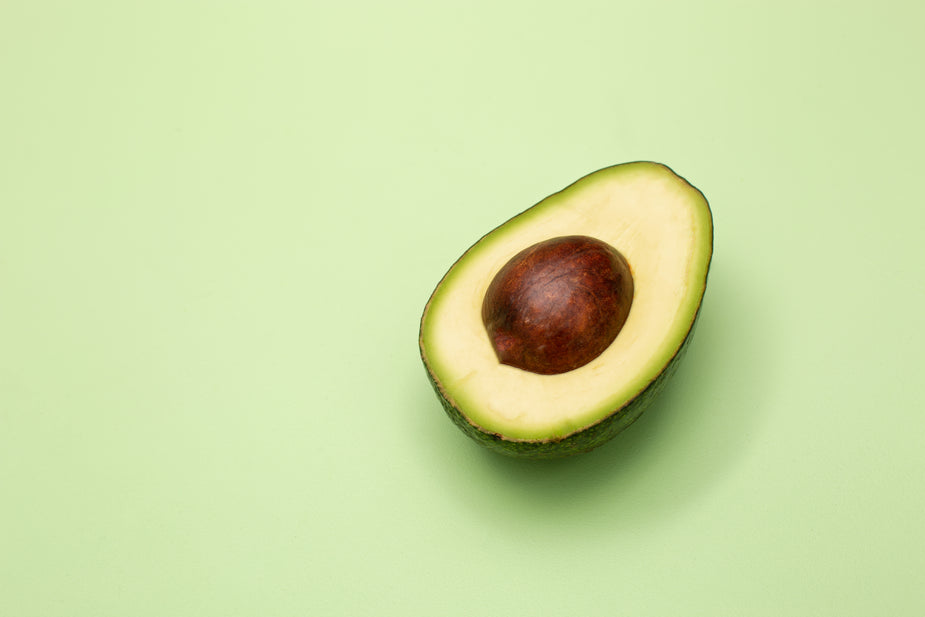
Avocados are incredibly low in carbs while being rich in healthy fats and fibre. They can be added to salads, smoothies, or eaten on their own, making them a fantastic addition to your grocery list.
Berries
Strawberries, blackberries, and raspberries are among the lowest carb fruits. Berries are also packed with antioxidants and can be enjoyed in moderation. A small handful can be a great smoothie ingredient or a refreshing snack.
Melons
Watermelon and cantaloupe can also fit into your low carb lifestyle. They are hydrating and refreshing, perfect for hot days or as a sweet treat after a meal. Just be mindful of portion sizes to keep carb counts low.
Planning Your Grocery Trip
Now that we've covered the best low carb produce, it’s time to plan your grocery trip effectively. Here are a few tips to make your shopping easier and more efficient:
Create a List
A well-prepared grocery list saves time and money. Write down the low carb fresh produce you want to buy. Make sure to include seasonal options, as they are often cheaper and tastier.
Shop Local and Seasonal
Whenever possible, source your produce from local farmers’ markets or seasonal aisles in your grocery store. Fresh, seasonal produce is usually better in terms of flavour and nutritional value. Plus, shopping local supports your community!
Look for Organic Options
When it comes to fresh produce, choosing organic options can help reduce pesticide exposure. While it might be slightly more expensive, the benefits can outweigh the costs when focusing on health.
Creating a Sugar-Free Pantry Essentials List
When shopping for fresh produce, don’t forget about the other components of your low carb diet. A well-stocked pantry filled with Sugar-Free Pantry Essentials will complement your fresh items and provide countless meal options. Stock up on these items to enhance your meals:
- Low carb flours such as almond flour or coconut flour.
- Healthy oils like olive oil and avocado oil for cooking.
- Low carb sweeteners such as stevia or erythritol for your desserts.
- Herbs and spices to add flavour without carbs.
- Bone broth or vegetable broth for soups and stews.
Tips for Storing Fresh Produce
Proper storage of your fresh produce will ensure that it stays fresh longer, saving you money and reducing food waste. Here are some handy storage tips:
Fridge Storage
Most vegetables and some fruits do best in the fridge. Store leafy greens in a slightly damp paper towel inside a container to keep them fresh. Be sure to keep berries in their original container to avoid squishing.
Room Temperature Storage
Some fruits, such as bananas and avocados, do better stored at room temperature until they reach ripeness. Once ripe, these fruits can then be placed in the fridge to prolong their shelf life.
Crafting Delicious Low Carb Meals
With all these fresh produce options at your disposal, the next step is turning them into tasty meals. Here are some delicious meal ideas you can whip up:
Salads Galore
Salads are an excellent way to incorporate a variety of low carb vegetables. Create vibrant salads with a base of leafy greens, topped with peppers, cucumbers, and avocados. Finish it off with your choice of protein and a low carb dressing.
Sautéed Stir-Fries
Quick and easy, stir-fries are perfect for busy days. Toss together broccoli, bell peppers, and any other vegetables you enjoy in a healthy oil, adding your choice of protein for a satiating meal.
Roasted Veggies
Roasting enhances the natural sweetness of vegetables. Mix cauliflower, zucchini, and asparagus with olive oil, salt, and herbs before roasting them in the oven for a delicious and nutritious side dish.
Your Low Carb Journey Starts Here
Shopping for fresh produce on a low carb diet doesn't have to feel daunting. With the right knowledge and preparation, you can enjoy a wide variety of fruits and vegetables while maintaining your carbohydrate goals. Remember to focus on non-starchy veggies and explore low-sugar fruits that complement your meals. Don’t forget to stock your pantry with Sugar-Free Pantry Essentials and have fun exploring new recipes! The journey to a healthier you starts with mindful shopping; make the most of it!
Share this
Popular posts