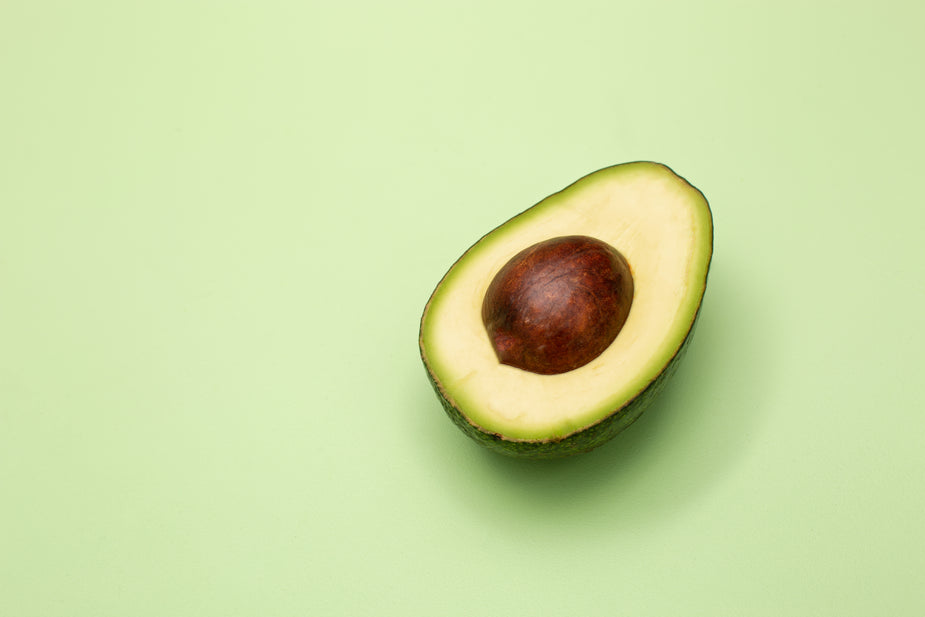



Stocking Your Low Carb Pantry: Essentials for Success
Overview
Create a low carb pantry by stocking healthy fats, low carb flours, sugar substitutes, low carb vegetables, and proteins. Organise your space for easy meal prep and keep snacks on hand to avoid cravings. Embrace cooking as a fun adventure with new recipes and meal themes for a sustainable low carb lifestyle.
Table of Contents
- Understanding Low Carb Eating
- The Importance of a Well-Stocked Pantry
- Essential Staples for a Low Carb Pantry
- Healthy Fats
- Low Carb Flours and Baking Ingredients
- Sugar Substitutes
- Low Carb Vegetables
- Proteins
- Snacking on Low Carb
- Condiments and Sauces
- Maintaining a Clean Pantry
- Cooking Tips for Low Carb Success
- Keeping It Fun and Engaging
- Elevate Your Low Carb Lifestyle
Key Takeaways
- Healthy Fats: Stock up on olive oil, coconut oil, avocado oil, butter, and unsweetened nut butters to enhance flavour and satiety.
- Low Carb Flours: Incorporate almond flour, coconut flour, flaxseed meal, psyllium husk, and chia seeds for baking without the carbs.
- Sugar Substitutes: Use low-carb sweeteners like stevia, monk fruit, and erythritol to satisfy your sweet tooth without the sugar crash.
- Low Carb Vegetables: Keep leafy greens, cruciferous vegetables, peppers, mushrooms, and zucchini on hand for versatile meal options.
- Quality Proteins: Ensure your pantry includes eggs, chicken, fish, grass-fed beef, and turkey for satisfying meals.
- Low Carb Snacks: Prepare for cravings with nuts, hard cheeses, sugar-free biltong or jerky, and seaweed snacks.
- Organised Pantry: Maintain an organised space with clear containers, labels, and regular checks for expiration dates to streamline cooking.
Creating a low carb pantry can feel like a daunting task, especially if you’re transitioning from a more traditional diet. However, with the right essentials stocked, you can make delicious meals and even indulge in treats like a raspberry blondie recipe without guilt. This guide will help you build a sugar-free pantry that not only works for your low carb lifestyle but also makes cooking at home enjoyable and easy.
Understanding Low Carb Eating
Before diving into pantry essentials, it’s essential to understand the fundamentals of a low carb diet. Typically, this way of eating involves reducing carbohydrate intake, which often means cutting out refined sugars, grains, and starchy vegetables. By focusing on nutritious foods, you'll not only enjoy meals but also experience better energy levels and overall health.
The Importance of a Well-Stocked Pantry
A well-stocked pantry ensures that you can whip up low carb meals effortlessly, saving you time, reducing the temptation of unhealthy snacks, and inspiring creativity in the kitchen. Here are the core components of a successful low-carb pantry.
Essential Staples for a Low Carb Pantry
Let’s explore what you should stock to ensure you have everything you need to lead a low carb lifestyle.
Healthy Fats
Healthy fats are an essential part of a low carb diet. They not only help you feel full but also provide energy. Here are some healthy fat options to consider:
- Olive oil
- Coconut oil
- Avocado oil
- Butter or ghee
- Nut butters (unsweetened)
Incorporating these fats into your cooking will enhance flavour while keeping your meals aligned with your low carb goals.
Low Carb Flours and Baking Ingredients
Baking can still be part of your low carb lifestyle with alternative flours. Consider stocking the following:
- Almond flour
- Coconut flour
- Flaxseed meal
- Psyllium husk
- Chia seeds
These alternatives allow you to create delicious baked goods, including a scrumptious raspberry blondie recipe, while keeping carbohydrate counts low.
Sugar Substitutes
Eliminating sugar is one of the biggest challenges when going low carb, but with the right substitutes, it doesn’t have to be. Stock up on sweeteners that are low in carbs:
- Stevia
- Monk fruit sweetener
- Erythritol
These options will help you enjoy sweet treats without the sugar crash.
Low Carb Vegetables
Vegetables are critical for a balanced diet, and many are low in carbs. Keep these options in your pantry and fridge:
- Leafy greens (spinach, kale, lettuce)
- Cruciferous vegetables (broccoli, cauliflower, cabbage)
- Peppers
- Mushrooms
- Zucchini
These vegetables are versatile and can be used in a variety of dishes from salads to stir-fries.
Proteins
Incorporating quality protein into your meals is vital. Stock up on the following sources:
- Eggs
- Chicken (preferably free-range)
- Fish and seafood
- Grass-fed beef
- Turkeys
Having protein on hand enables you to prepare satisfying meals that will keep you full longer.
Snacking on Low Carb
It’s essential to have low carb snacks available, especially for those moments when cravings hit. Here are some tasty options to include in your pantry:
- Nuts and seeds (almonds, walnuts, sunflower seeds)
- Cheese (especially hard cheeses)
- Biltong or jerky (choose sugar-free options)
- Seaweed snacks
These snacks can help you resist the temptation of high-carb alternatives that might derail your progress.
Condiments and Sauces
Many traditional condiments contain hidden sugars and carbs, so it’s crucial to focus on low carb options. Consider adding the following to your pantry:
- Mustard (check for sugar-free varieties)
- Mayonnaise (opt for healthy oils)
- Salsa
- Hot sauce
Having flavourful condiments on hand can transform simple meals into delightful experiences.
Maintaining a Clean Pantry
Once you’ve stocked up on your low carb essentials, it’s vital to keep your pantry organised. An organised space not only makes cooking easier but also helps you keep track of ingredients. Here are some tips:
- Use clear containers to store bulk items.
- Label everything to avoid confusion.
- Regularly check for expiration dates to avoid waste.
- Keep similar foods together to improve accessibility.
By maintaining an organised pantry, you will make your low carb cooking faster and more enjoyable.
Cooking Tips for Low Carb Success
Engaging in meal prep is vital for those following a low carb diet. Here are some cooking tips to keep in mind:
- Batch prepare low carb meals to save time.
- Experiment with new recipes, like a raspberry blondie recipe, to keep your meals interesting.
- Use herbs and spices to add flavour without carbs.
- Try different cooking methods, such as grilling, baking, or steaming, to keep meals varied.
With these strategies, cooking and enjoying your low carb meals will feel less like a chore and more like an adventure.
Keeping It Fun and Engaging
Last but not least, maintaining a positive attitude towards your low carb lifestyle is crucial. Make cooking an enjoyable experience by exploring new recipes, having themed dinner nights, or even inviting friends over for a low carb meal exchange. Try out unique dishes and share your favourite healthy low carb recipes with your friends and family. Include fun ideas like a DIY salad bar with all the low carb toppings or hosting a low carb dessert night where you showcase your best sweets, like that delicious raspberry blondie recipe.
By implementing these practices, you can happily embrace your low carb journey and inspire others to do the same!
Elevate Your Low Carb Lifestyle
As you create your low carb pantry, remember that it’s about building a sustainable lifestyle rather than adhering to a strict diet. With a well-stocked pantry of sugar-free pantry essentials, you can prepare meals that are not only healthy but also incredibly satisfying.
So embrace the adventure of low carb cooking, and let your pantry be the gateway to endless delicious meals. Happy cooking! You are well on your way to mastering the art of low carb living.
Frequently Asked Questions
1. What are the essential staples for a low carb pantry?
2. How can I maintain a clean pantry for my low carb ingredients?
3. What are some low carb snack options?
4. How can I keep my low carb cooking enjoyable?
5. Why is it important to understand low carb eating?
Glossary
| Term | Meaning |
|---|---|
| Low Carb Diet | A dietary approach that reduces carbohydrate intake. |
| Healthy Fats | Fats that provide energy and help you feel full. |
| Low Carb Flours | Alternative flours used for baking with fewer carbs. |
| Sugar Substitutes | Low-carb sweeteners used to replace sugar. |
| Low Carb Vegetables | Vegetables that are low in carbohydrates and high in nutrients. |
| Proteins | Essential nutrients that help build and repair tissues. |
| Snacking on Low Carb | Healthy snack options that align with a low carb diet. |
| Condiments | Sauces that enhance flavour but should be low in sugar. |
| Meal Prep | Preparing meals in advance to save time and effort. |
| Organised Pantry | A tidy pantry that makes cooking easier and more efficient. |
Linked Product

Low Carb Raspberry & White Choc Blondie - 300g
The PBCO Low Carb Raspberry & White Choc Blondie Mix offers a delicious, soft, and chewy treat that is low in carbohydrates and gluten-free, making it ideal for those following specific dietary lifestyles. With real raspberry pieces and no-added-sugar white chocolate, this mix can be prepared in under 30 minutes and yields up to 16 slices, perfect for lunchboxes or afternoon tea. Naturally sweetened and made with clean ingredients, it provides a better-for-you option for satisfying your sweet cravings.
View ProductShare this
Popular posts